Experts

Jennifer Lawless

Fast Facts

  • Chair, UVA Department of Politics
  • Author or co-author of nine books
  • Former editor of the American Journal of Political Science
  • Expertise on women and politics, campaigns and elections, political media

Areas Of Expertise

  • Domestic Affairs
  • Media and the Press
  • Governance
  • Elections
  • Politics

Jennifer L. Lawless is the Leone Reaves and George W. Spicer Professor of Politics at the University of Virginia and the chair of the Politics Department. She is also has affiliations with UVA’s Frank Batten School of Leadership and Public Policy and the Miller Center.

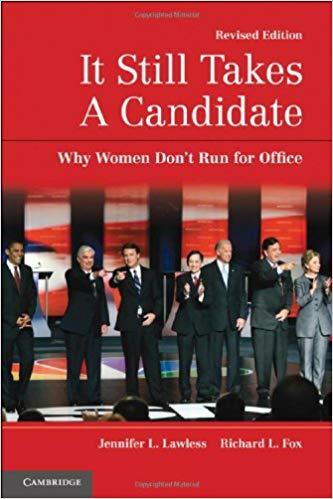
Her research focuses on political ambition, campaigns and elections, and media and politics. She is the author or co-author of nine books, including News Hole: The Demise of Local Journalism and Political Engagement (with Danny Hayes) and It Takes More than a Candidate: Why Women Don't Run for Office (with Richard L. Fox). 

Lawless' research, which has been supported by the National Science Foundation, has appeared in numerous academic journals and is regularly cited in the popular press. From 2019-2025, Lawless served as the co-editor in chief of the American Journal of Political Science. She is also the recipient of the 2023 Shorenstein Center Goldsmith Book Prize, for the academic book that examines the intersection among media, politics, and public policy. 

Lawless graduated from Union College with a BA in political science and Stanford University with an MA and PhD in political science. In 2006, she sought the Democratic nomination for the U.S. House of Representatives in Rhode Island’s second congressional district. Although she lost the race, she remains an obsessive political junkie.

Jennifer Lawless News Feed
“If we are ever going to see women step forward to try to take the mantle of leadership, now would be the time,” said University of Virginia politics Professor Jennifer L. Lawless, a former Brown University professor who has written several books about women and politics.
Jennifer Lawless Boston Globe
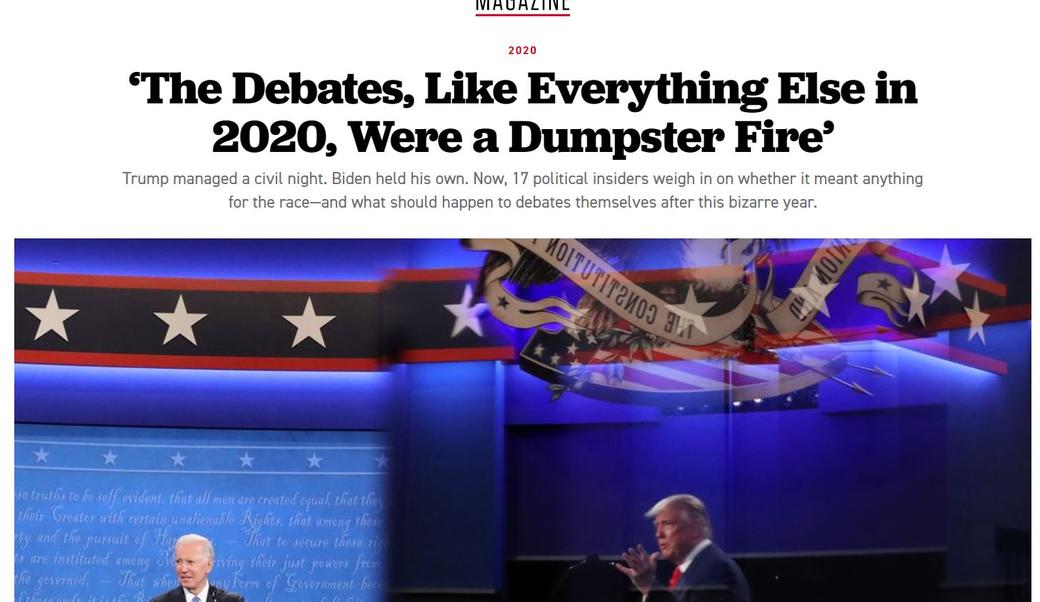
What did this debate mean for the election? Not much. What did this election mean for debates? Quite a bit.
Jennifer Lawless POLITICO Magazine
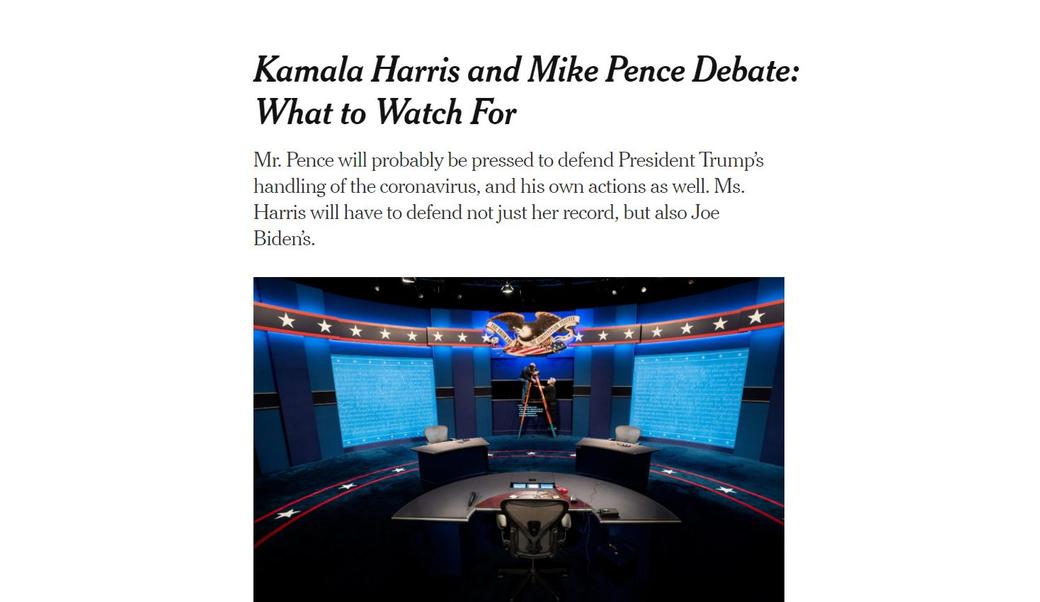
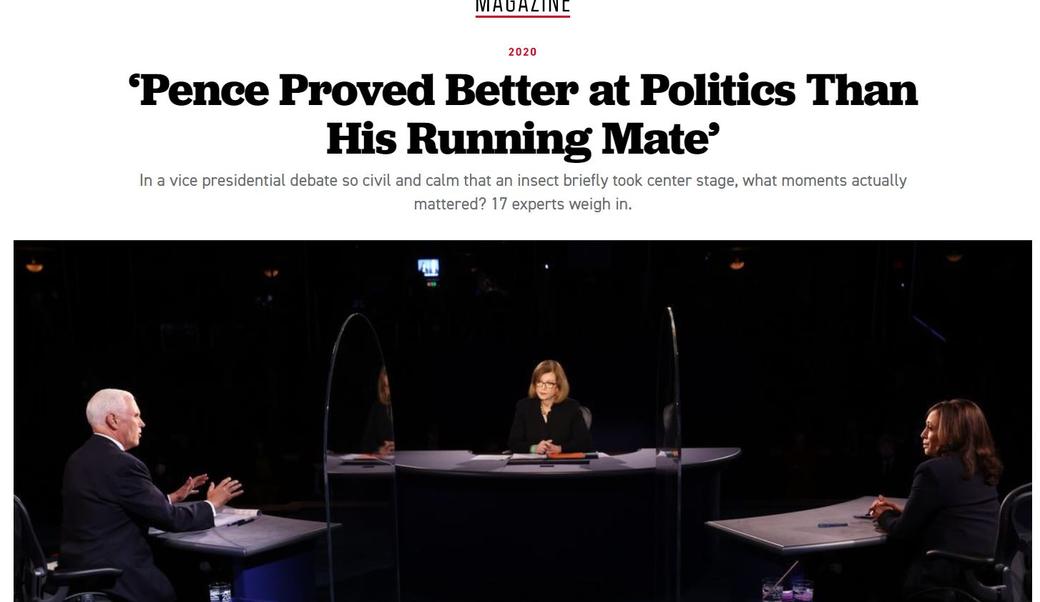
The most revealing moment of the vice presidential debate came before the candidates uttered a word. The minute the plexiglass went up, Covid took center stage. And viewers saw—quite literally—two candidates separated not only by their race, sex, partisan identification and political views, but also by 12 feet of distance and physical dividers to protect themselves from a deadly virus.
Jennifer Lawless POLITICO Magazine
Jennifer Lawless, a professor of politics at the University of Virginia who has studied gender dynamics, said that women generally had to show they were capable of standing up to “being bullied” but that Ms. Harris faced an extra hurdle. “Because she is also a woman of color, she also has to walk that ‘Don’t look too angry’ line,” Ms. Lawless said. “These are cliché. But they’re cliché because they’re true.”
Jennifer Lawless The New York Times
Stepfamilies are an intricate and intimate arrangement, as any member can tell you. But in politics, thrusting these relationships into the spotlight is standard practice, says Jennifer Lawless, a politics professor at the University of Virginia. For candidates, family provides a logistical and psychological support system during the campaign. They also offer a humanizing effect — vouching that the candidate is a good and trustworthy person. “Voters want to hear from a family the kinds of things they wouldn’t hear from a surrogate,” Lawless says, including details about their past, their personal relationships, and their capacity for love. I think that’s why Trump’s use of his family has been so odd and jarring to people,” Lawless adds. “His children aren’t saying, ‘He’s a great father.’ They’re saying, ‘He’s such a great businessman.’”
Jennifer Lawless Vox
Meanwhile, University of Virginia political science professor Jennifer Lawless pointed to the vice presidential debate between Biden and Alaska Gov. Sarah Palin in 2008 as one in which both candidates struck an effective tone. “Substance aside, she was quite likable in the debate, and he didn’t belittle her and demean her,” Lawless told Vox. Biden’s debate prep at the time focused heavily on “not coming across as sexist or a bully,” according to a Wall Street Journal report.
Jennifer Lawless Vox